The ultimate feeling is catching a wave on your own. That is what a surfer (such as yourself) should pursue, to catch the ultimate wave, to keep on improving on your basic skills and most importantly on how to catch waves while surfing. That is where the rush comes from and the price of your effort and concentration paying off. Each of these steps actually have their own science to them as well, but a basic understanding will let you know what to do when you go surfing especially on days of the awesome waves on good day to go surfing.
Observing for the Best Waves to Catch
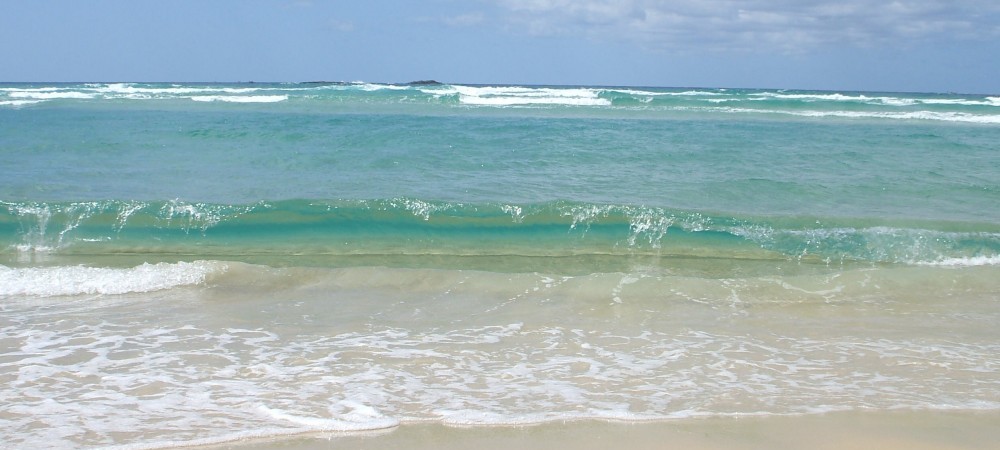 Surfers that stare into the horizon are not just looking at the scenery, they are finding where the best waves will develop especially if the waves are sporadic. If you taken some time to read my other article (Waveanomics), you will find that you know these surfers are looking for in a swell. A skilled surfer takes time to learn about the waves; the bigger the waves the longer them time he/she takes to observe them. Some things you can note:
- Where surfers are lining up
- Where the waves Form and Collapse – not all good waves are where the crowd is.
- A calm area (which will probably be a rip current) where you can paddle easier from to the lineup.
- If it is a reef break, low tide to make sure of any hidden dangers and the change of the waves.
Paddling Out to Catch Waves
As mentioned if you found a clear patch of water, try to paddle into the lineup from there, it should be an ocean current or riptide. That will help you get to your expected lineup faster almost like an escalator. Now for the paddling, you need to paddle with deliberate strokes like in swimming but unlike swimming the strokes underwater should be directed under your surfboard to give a better propulsion through the water. Another cool tip: if you paddle with fingers apart instead of cupped that pulls more volume under your board and give more push. Also when waves rush into you always charge into them in a perpendicular direction. If the waves are small most of the time you can use your surfboard to ride over them. If the waves are bigger or you are at the collapsing point where the wave folds; longboarders turtle-roll and shortboarders duck-dive.
Sitting Tight for the Right Waves to Surf
Once you paddle to the lineup along the coastline where you want to start from, you have to sit tight. You move around to sit in the center of the board if you are watching for waves, and your feet can keep kicking in the water if you want to maintain your center. During this time you can take a breather from paddling to the line-up and relax. Enjoy the scenery the sunset is beautiful when you are in the water. You can also observe the other surfers and how they watch for waves and what they take note of during the surf session. This will also give you a good idea of what to expect when a swell forms and if it will become a wave you will ultimately surf.
Paddling Like Your Life Depends on the Wave
Now that you have isolated your wave, start sitting back (if you are a longboarder) and angle your board to the right or the left as quick as possible, after your board is facing away from the wave start paddling as your life depends on it. Your paddling should match the speed of the waves that are coming at you. Some surfers instead of using their hands in tandem, they use them at the same time like the butterfly stroke in swimming to give that final push. During this time if you have to look back do it just once, that is to make sure the swell is still gathering momentum. Once the waves starts pulling you back then you have already entered the glide zone and where you have to make the split second decision.
How to Pop-Up on Your Surfboard
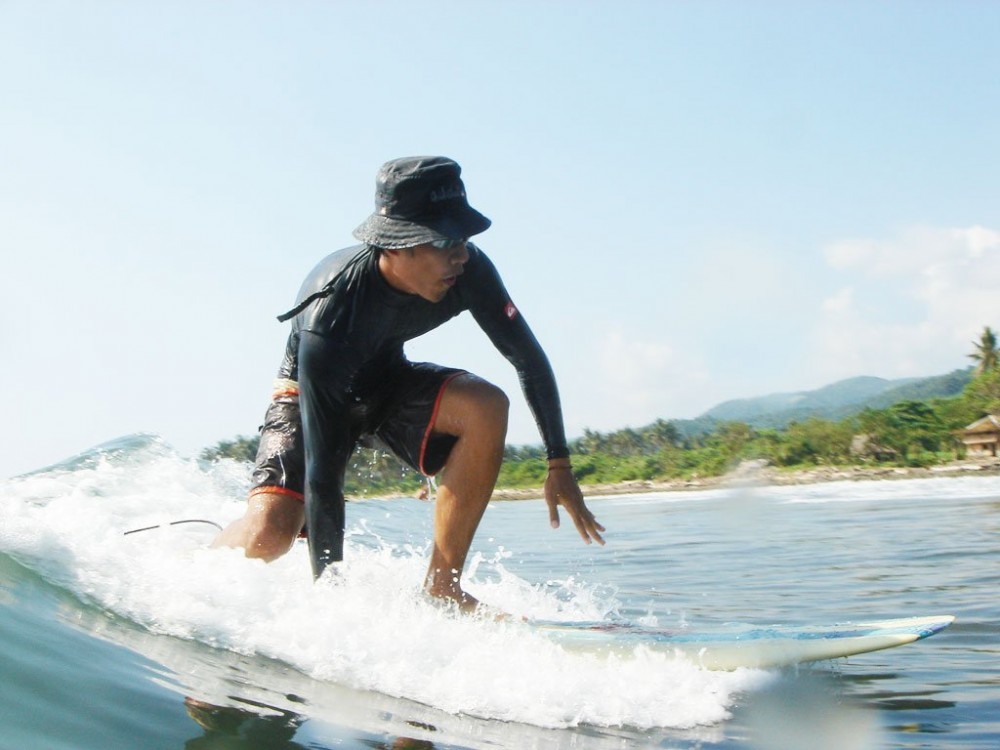 Here is the part most surfers (kooks alike) ask about, want to know and are still perfecting. During the time of the glide zone you will feel the waves push the tail of your surfboard and the nose will start going underwater (make sure it does not go underwater). You can either paddle more to gain even more momentum to avoid a nose dive or you can pop-up on your surfboard. A good pop-up should always have the nose of the surfboard facing out of the water. During a pop-up you will want to push up like normal push-up, but there is a slight twist. During a pop-up you have to push your arms not just up but in an angle slightly away from your board so as to push the weight of the nose upwards instead of going into the water. If you have done this right your surfboard will glide along the concave of the waves. That’s where you spring up or pop-up. You would preferably do a pop-up in 1 turn but some surfers drop to 1 knee then stand up. Continue arching you body to maintain balance. If you angle your surfboard slightly to the left or right during your launch, your surf board will glide along the face of the wave. You are SURFING! During that time some surfers love doing tricks but all surfers enjoy the ride and the feeling of being stoked.
In Surfing, Practice Still Makes Perfect
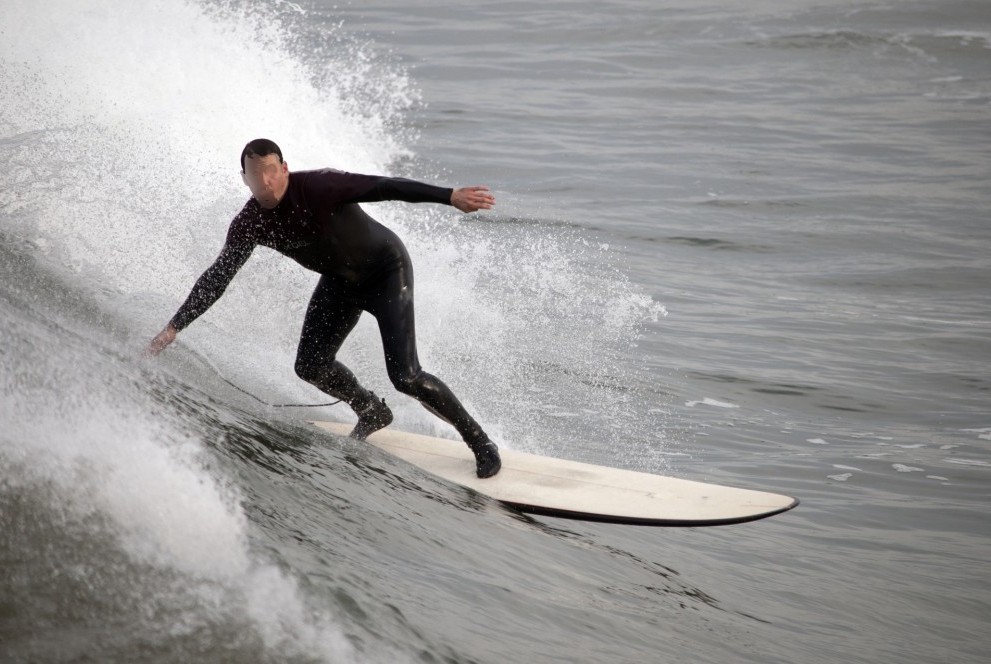 So in a nutshell the basic steps to catching a good wave:
- Observation
- Paddling out
- Sitting tight
- Paddling for your life
- Pop-up and glide…surf…. rinse and repeat.
For every surfer practice makes perfect. Remember I mentioned that your surfboard was your companion? If you are not using a foamie, your personal surfboard also affects the overall way you surf and catch waves. Make sure you record EVERY feeling catching a wave, having a wipeout, any nose-dives and going through the waves while surfing. In time you will start feeling the waves and surf the way you surf. Always remember the best surfer is the one having the most fun!
Drop me a comment if I missed anything. I tried making sure to include all the info surfers forgot to tell me or what was not on the internet. I always love to hear from fellow surfers as well for even more input.
 The Daily Pumpernickel
Have only tried surfing once. It was with a youth club I was the leader of and we stayed by the seaside on a weekender.
One activity was to go surfing, not being shy I decided to stretch into a not too flattering wetsuit and give it a go.
Having done the routine stretches and sand based exercises we headed into the water to try and hang ten! LOL!
The first thing I did was hold the board sideways on a wave and got smashed in the face. Beginner error but not to be put off I paddled out to try and catch a wave.
I was able to ride a few in on my belly but every time I tried to pop up I fell off left or right. Try as hard as I could I did not manage to even make it too my knees.
I blame the very tight wetsuit I was wearing as it was hard to move but that’s me just not taking the responsibility for being a bit inflexible and not fit.
Any help for a hopeful surfer who would like to ride a wave into shore?
LikeLike
Of course, anybody can surf. It is a fun sport in which you can gauge yourself and try. What is most important is having fun. Found this (he’s probably better than me LOLZ): https://www.youtube.com/watch?v=yrf93aLQXBE
LikeLike