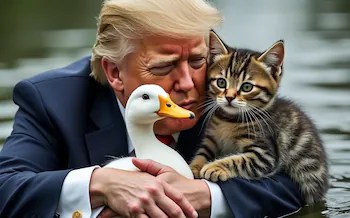
There has been a huge media outrage on how in the town of Springfield, Ohio the Haitians are going after the cats, dogs and all the town’s fuzzy companions. Throughout history, certain cultures have been associated with various food practices that may seem unusual or misunderstood to outsiders. One common belief that often arises is the that Haitians eat cats and dogs. This notion has been sensationalized, but it’s good to examine it from a factual and cultural perspective.
So do They? Cultural Practices and Misconceptions
The belief that Haitians consume cats and dogs stems from a combination of stereotypes, historical events, and occasional isolated incidents. Haiti, like many other countries, has faced extreme poverty, particularly following natural disasters like the 2010 earthquake. In times of severe hardship, desperate people may resort to unorthodox means to survive, but such cases are not really a part their of cultural or widespread practices.
Sorry to tell you. The majority of Haitians do not eat cats and dogs, and there is no culinary tradition or religious significance tied to the consumption of these animals. Instead, Haitian cuisine is rich with tropical flavors, relying on staples like rice, beans, plantains, pork, and chicken. Dishes such as griot (fried pork) and tassot (fried beef or goat) are much more reflective of the country’s culinary heritage.
Do They Use Cats, Dogs or Geese for Their Voodoo?
Another factor that has contributed to the misconception about Haitians eating cats and dogs is the misunderstanding of Voodoo, a religion practiced by a significant portion of the population. Voodoo rituals sometimes involve the use of animals, but these practices are spiritual rather than culinary.
In Haitian Voodoo, animals like chickens are occasionally sacrificed as offerings to spirits. However, this practice is not exclusive to Haiti; similar traditions can be found in various African and Caribbean cultures. It’s important to distinguish between religious rituals and culinary habits when discussing cultural practices.
Poverty and Desperation
Unfortunately, poverty and food insecurity have plagued Haiti for many years. As a result, rumors of people consuming non-traditional animals may arise during times of extreme hunger. However, these incidents are isolated and should not be viewed as a cultural norm.
It’s also worth noting that similar misconceptions have occurred in other countries facing severe economic hardships. For example, during the Great Depression in the United States, reports of people eating unconventional food sources surfaced, but these actions were driven by desperation, not tradition.
A good example is recently in Zimbabwe, they have decided to cull their elephants for food consumption due to a drought that has affected most of the country in 2024.
Animal Rights and Global Perceptions
The consumption of animals like cats and dogs is not entirely unheard of in certain parts of the world. In countries like China and South Korea, dog meat is still consumed by some communities, although it is increasingly controversial and less common in urban areas. These cultural differences have led to misunderstandings and sometimes unfair generalizations about other nations, including Haiti.
In Haiti, however, dogs and cats are generally viewed as companions, much like in other parts of the world. While street dogs (referred to as “chyen erran”) may be common, Haitians do not traditionally consume these animals.
Conclusion
The idea that Haitians eat cats and dogs is largely a myth, fueled by misunderstanding and occasional isolated incidents in extreme circumstances. Haitian cuisine is a celebration of vibrant flavors, deeply rooted in African, French, and Caribbean influences. Misconceptions about eating practices can often arise from cultural differences, poverty, or misrepresentations in media.
When examining any cultural practice, it’s essential to separate fact from fiction and avoid perpetuating stereotypes. While people in desperate situations may resort to extraordinary measures, such actions do not reflect the broader traditions or values of a nation. Haiti, with its rich history, diverse culture, and resilient people, deserves to be understood through a more nuanced and respectful lens.
References:
- Farmer, Paul. Haiti After the Earthquake. PublicAffairs, 2011.
- Dubois, Laurent. Haiti: The Aftershocks of History. Metropolitan Books, 2012.
- Tarter, Andrew. “Haitian Voodoo and the Misconception of Animal Sacrifice.” Journal of Caribbean Religious Studies, vol. 8, no. 1, 2018.
- Bergan, David. “Cultural Stereotypes in the Caribbean: The Case of Haiti.” Caribbean Studies Review, vol. 11, no. 2, 2020.
 The Daily Pumpernickel