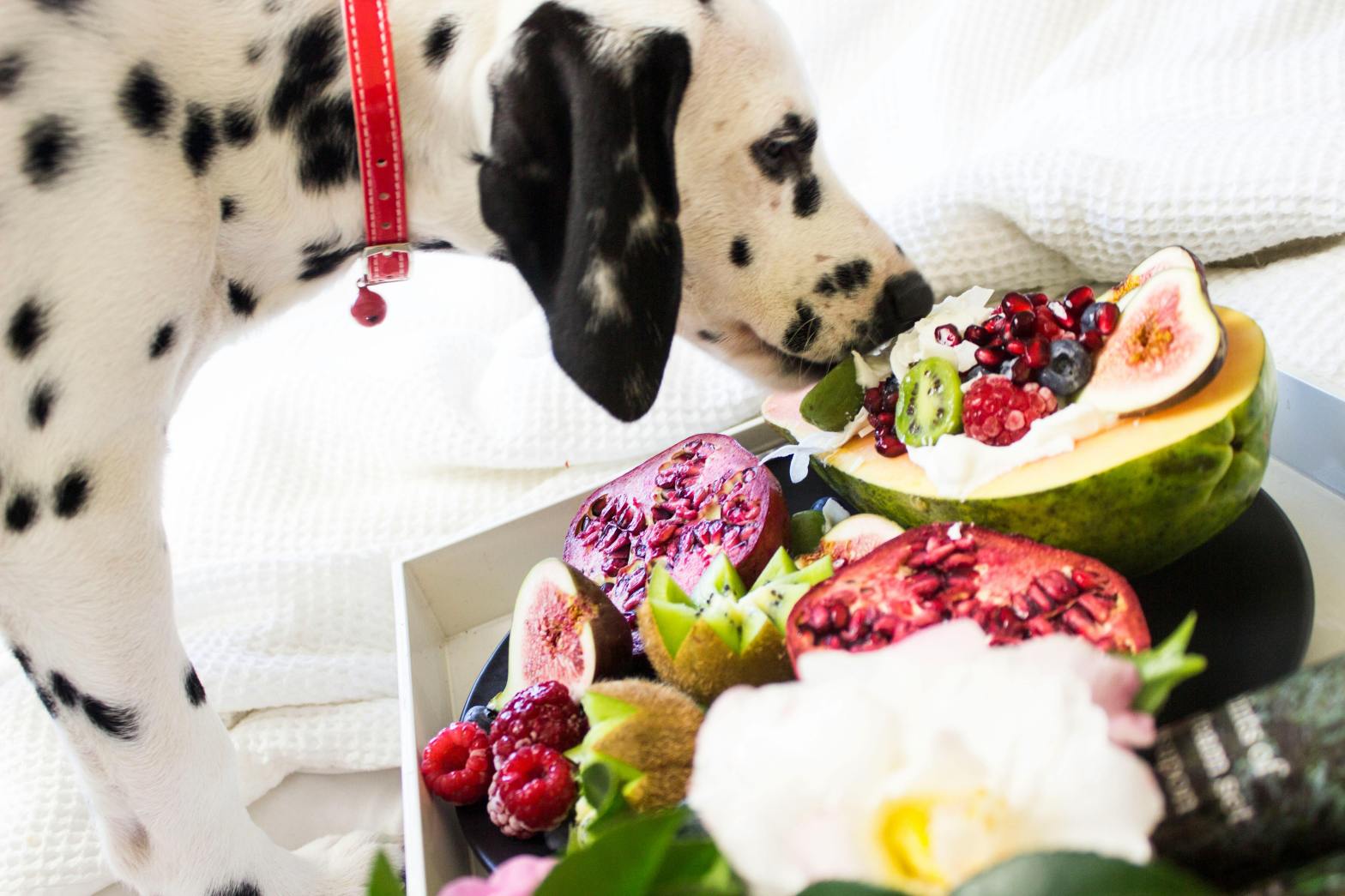
As a loving dog owner, you want to give your furry friend the best of everything, including treats that are both delicious and safe. While many commercial dog treats are available, sometimes it’s nice to offer something fresh and natural. Fruits can be a wonderful option, providing not only a tasty snack but also a healthy boost of vitamins and nutrients. However, not all fruits are safe for dogs, and it’s crucial to know which ones are okay to share. Here we’ll explore a variety of fruits that dogs can safely enjoy, how to prepare them, and the benefits they offer.
Fruit to Your Dog? You Sure?
Giving your pet companion a fruity treat can be a great addition to your dog’s diet. They are generally low in calories, high in fiber, and packed with essential vitamins and minerals. Many fruits also contain antioxidants, which can help support your dog’s immune system and overall health. When offered in moderation, fruits can complement your dog’s regular diet and provide a refreshing, hydrating snack, especially on hot days.
Safe Fruits for Dogs
Let’s dive into some of the best fruits that you can safely share with your dog.
1. Apples

Apples are a popular fruit choice for dogs. They are rich in vitamins A and C, and the fiber in apples can help with your dog’s digestion. The crunchiness of apples can also help clean your dog’s teeth. However, it’s important to remove the seeds and core before offering apple slices to your dog, as the seeds contain cyanide, which is toxic in large quantities.
How to Serve: Slice the apple into bite-sized pieces, ensuring all seeds are removed. You can serve them fresh or freeze the slices for a cool treat in the summer.
2. Blueberries

These tiny, antioxidant-rich berries are a superfood for dogs. Blueberries are low in calories and packed with vitamin C, fiber, and antioxidants, which can help protect your dog’s cells from damage and boost their immune system.
How to Serve: Rinse thoroughly and offer a few berries as a snack or mix them into your dog’s food. They can also be frozen for a crunchy treat.
3. Bananas
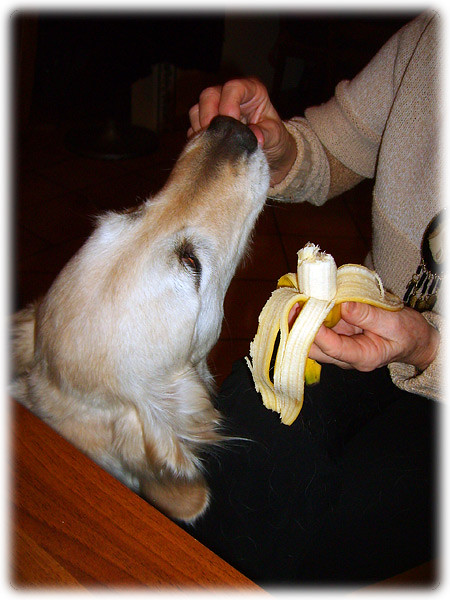
Bananas are a sweet, easy-to-digest treat that most dogs love. They are a good source of potassium, vitamin B6, and vitamin C. Bananas also contain fiber, which can help with digestive health. However, because they are higher in sugar than some other fruits, bananas should be given in moderation.
How to Serve: Slice into small pieces or mash it up and mix it with your dog’s regular food. You can also freeze banana slices for a refreshing treat.
4. Watermelon

Watermelon is a hydrating fruit that’s perfect for summer. It’s low in calories and packed with vitamins A, B6, and C. Watermelon is also 92% water, making it a great choice for keeping your dog hydrated. However, make sure to remove all seeds and the rind, as they can cause digestive issues.
How to Serve: Cut the watermelon into small, seedless cubes, or use a melon baller for fun, bite-sized pieces. Serve fresh or freeze the pieces for a cool, hydrating treat.
5. Strawberries
Strawberries are another sweet treat that’s safe for dogs. They are high in fiber and vitamin C and contain an enzyme that can help whiten your dog’s teeth. Like bananas, strawberries are also higher in sugar, so they should be given in moderation.
How to Serve: Wash thoroughly and remove the green tops. You can cut them into small pieces or mash them up. Strawberries can also be frozen for a refreshing snack.
6. Pineapple
Pineapple is a tropical treat that’s safe for dogs when given in small amounts. It’s rich in vitamins, minerals, and fiber, making it a nutritious choice. However, pineapple is also high in natural sugars, so it should be offered sparingly. Be sure to remove the tough outer skin and core before giving pineapple to your dog.
How to Serve: Cut the pineapple into small, bite-sized pieces. You can serve it fresh or frozen. Pineapple also pairs well with other dog-safe fruits in a homemade fruit salad.
7. Pears
Pears are another safe fruit option for dogs. They are a good source of vitamins C and K, as well as fiber. As with apples, it’s important to remove the seeds and core, as pear seeds contain small amounts of cyanide.
How to Serve: Slice the pear into small, seedless pieces. Serve fresh or add it to your dog’s regular food for a burst of flavor.
Fruits to Avoid
While many fruits are safe for dogs, some should be avoided due to their toxic nature or potential to cause digestive problems. Here are a few fruits that should never be given to dogs:
- Grapes and Raisins: These can cause kidney failure in dogs, even in small amounts.
- Cherries: The pits, stems, and leaves contain cyanide, which is toxic to dogs.
- Avocado: The skin, pit, and leaves contain persin, a toxin that can cause vomiting and diarrhea.
- Citrus Fruits (Oranges, Lemons, Limes): While not highly toxic, citrus fruits can cause upset stomachs and irritation in dogs.
Tips for Introducing Fruits to Your Dog
When introducing new fruits to your dog, it’s important to start slowly and watch for any signs of allergic reactions or digestive upset. Here are a few tips:
- Start Small: Offer a small piece of fruit and observe your dog’s reaction. If they enjoy it and have no adverse effects, you can gradually increase the amount.
- Moderation is Key: While fruits are healthy, they should only make up a small percentage of your dog’s diet. Too much fruit can lead to digestive issues or weight gain.
- Consult Your Vet: If you’re unsure about whether a specific fruit is safe for your dog, it’s always best to consult your veterinarian.
Conclusion
Incorporating fruits into your dog’s diet can be a wonderful way to offer variety and additional nutrients into their menu. By choosing safe, dog-friendly fruits and serving them in moderation, you can treat your dog to delicious snacks that are both healthy and enjoyable. Remember to always introduce new foods gradually and consult with your vet if you have any concerns. With the right choices, fruit can be a fun and nutritious part of your dog’s diet, adding a little extra love to each treat.
This article is for informational purposes only and is not a substitute for professional veterinary advice.
 The Daily Pumpernickel